
← All festivals

The eighth day of the twelfth month, when Laba congee is cooked from eight or more grains, beans and dried fruit and shared with neighbours. Buddhist temples give it away, for the milk gruel a village girl gave the Buddha before his awakening.

When it falls

The eighth day of the twelfth lunar month, in January, three weeks or so before Lunar New Year. It opens the run-up to the festival.

The Phala almanac gives the exact day for your own city; the lunar and solar rules above are what it computes from.

The story

Là was the winter sacrifice to the ancestors and the gods of the household, held at the end of the farming year — the twelfth lunar month is still called the là month for it.

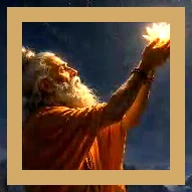
Buddhism gave the date a second reason. The Buddha, starved to a skeleton by six years of austerity, accepted a bowl of milk rice from a village girl and ate, and reached awakening that night. Temples give away congee on this day for that bowl.

The congee itself is the festival. Eight or more grains, beans, nuts and dried fruit, cooked slowly overnight, and the number of things in it is a matter of local pride.

How the day is kept

  • Làbā congee cooked at home and carried to neighbours before noon, which is the rule — it should reach them while still warm.
  • Temples cook it in vats and queue people from before dawn; Lama Temple in Beijing is the largest of these.
  • Làbā garlic pickled in vinegar on this day, which turns it green by New Year, when it is eaten with dumplings.
  • Japanese Zen keeps the same date as Rōhatsu, with a week of intensive sitting ending on the morning of the eighth.

More holy days

The Phala almanac shows this day where it falls for your own city — sunrise, tithi and all five limbs, anywhere on earth. See how the almanac works →