← All festivals

Saṅkaṣṭī Caturthī

The fourth day of the waning moon, Gaṇeśa's monthly vrata. The fast ends only after the moon has risen.

When it falls

The fourth lunar day (caturthī) of the dark fortnight, once a lunar month. The fast is not broken at an hour but at a sight: it ends after the moon has risen and been seen, which is why the almanac gives a moonrise time for the reader's own city rather than a single national one.

The Phala almanac gives the exact day for your own city; the lunar and solar rules above are what it computes from.

The story

Gaṇeśa is the remover of obstacles, and saṅkaṣṭa is the obstacle itself — the day is named for what it is kept against. The Gaṇeśa Purāṇa gives it to a king whose kingdom was restored after he kept it.

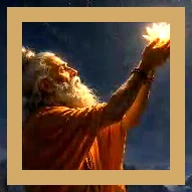
The moon is written into the day by an older quarrel. The moon laughed at Gaṇeśa when he stumbled, and was cursed to wane; the curse was softened so that he waxes again, and Gaṇeśa's day now ends by looking at him. What was mocked is what releases the fast.

When it falls on a Tuesday it is Aṅgārakī Caturthī, and is held to carry the weight of all the year's others at once — Maharashtra keeps it on a scale that empties offices early.

How the day is kept

  • A fast through the day, taken by many as one meal of fruit and milk rather than nothing at all.
  • Gaṇeśa is worshipped in the evening with dūrvā grass — twenty-one blades — red flowers and modaka, the steamed dumpling held to be his own.
  • The Saṅkaṣṭanāśana Stotra is recited, and the moon is offered water (arghya) before anyone eats.
  • In Maharashtra the day is kept in nearly every house; the Siddhivināyak temple in Mumbai and Aṣṭavināyak circuit stay open through the night on an Aṅgārakī.

More fasts and vigils

The Phala almanac shows this day where it falls for your own city — sunrise, tithi and all five limbs, anywhere on earth. See how the almanac works →