← All festivals

Gaṅgā Daśaharā

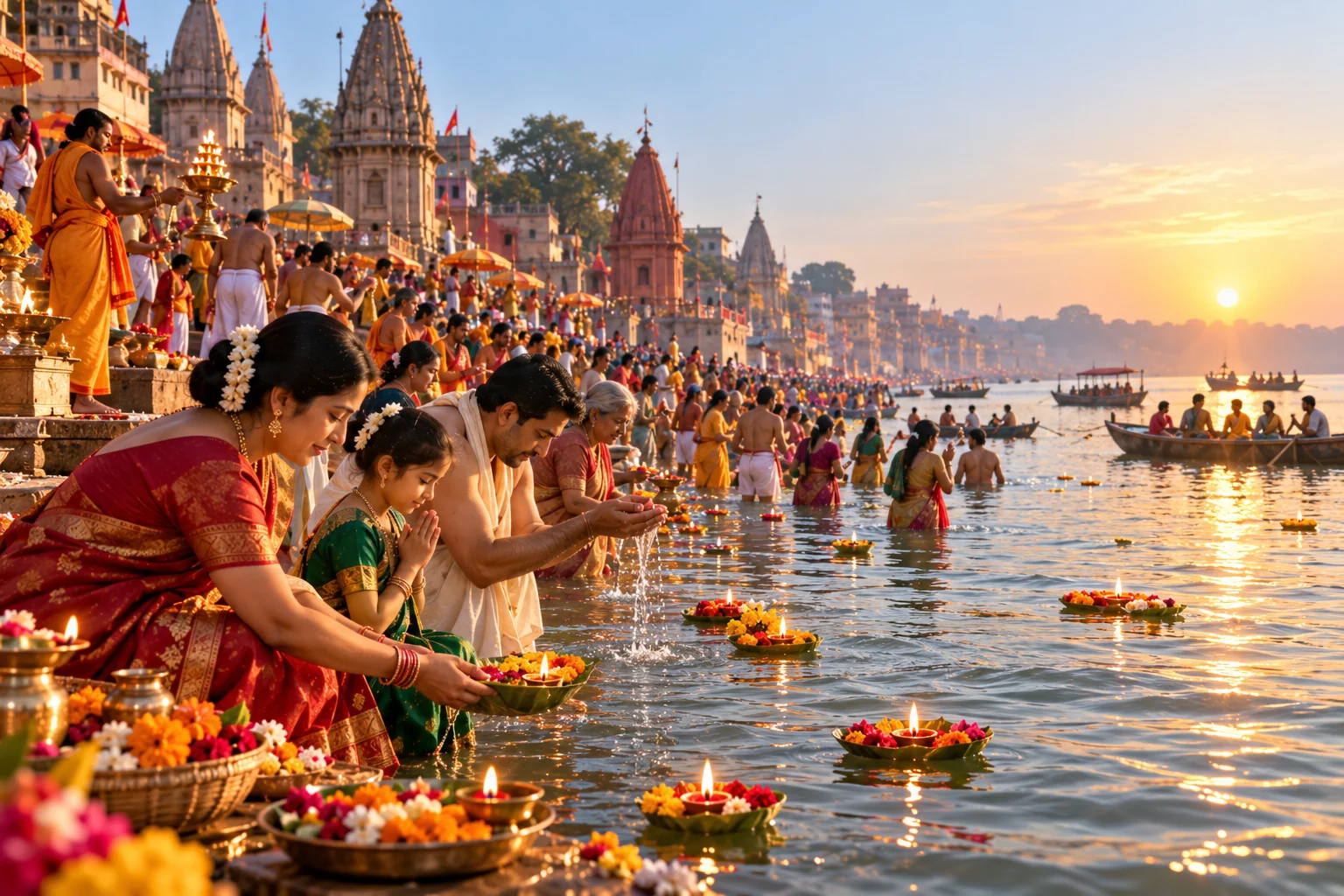
The tenth day of Jyeṣṭha, when the Gaṅgā is held to have come down from heaven to earth. Bathers at Haridwar, Varanasi and Prayagraj take ten dips for the ten sins the day is said to wash off.

When it falls

The tenth lunar day (daśamī) of the bright half of Jyeṣṭha, in late May or June.

The Phala almanac gives the exact day for your own city; the lunar and solar rules above are what it computes from.

The story

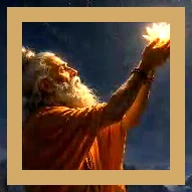
Bhagīratha wanted the ashes of his ancestors washed by the Gaṅgā, and she was in heaven. He stood on one foot for a thousand years to bring her down, and Śiva caught her in his hair on the way so the fall would not split the earth.

Daśaharā means 'that which takes away ten' — ten kinds of wrong, three of the body, four of speech, three of the mind. Ten is the day's number throughout: ten dips, ten lamps, ten of each offering.

It is kept as the river's own birthday, and the Gaṅgā is addressed as a mother rather than as a place.

How the day is kept

  • Bathing at Haridwar, Rishikesh, Varanasi, Prayagraj and Garhmukteshwar, ten dips taken in order.
  • Lamps on leaf boats are floated at dusk, and the evening āratī at the ghats is larger than usual.
  • Ten of everything is given away: fruit, grain, sesame, water pots, hand fans for the summer.
  • Those far from the river keep the day at any water, or with Gaṅgā water kept at home for the purpose.

More holy days

The Phala almanac shows this day where it falls for your own city — sunrise, tithi and all five limbs, anywhere on earth. See how the almanac works →