The story
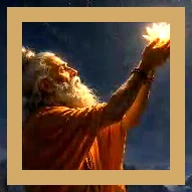
Vishu means equal: the day was once the equinox, when day and night matched, before the slow drift of the sidereal year carried the Sun's entry into Meṣa three weeks past it. It is kept as the day of first sight: what you see first at dawn sets the year, so the sight is prepared.
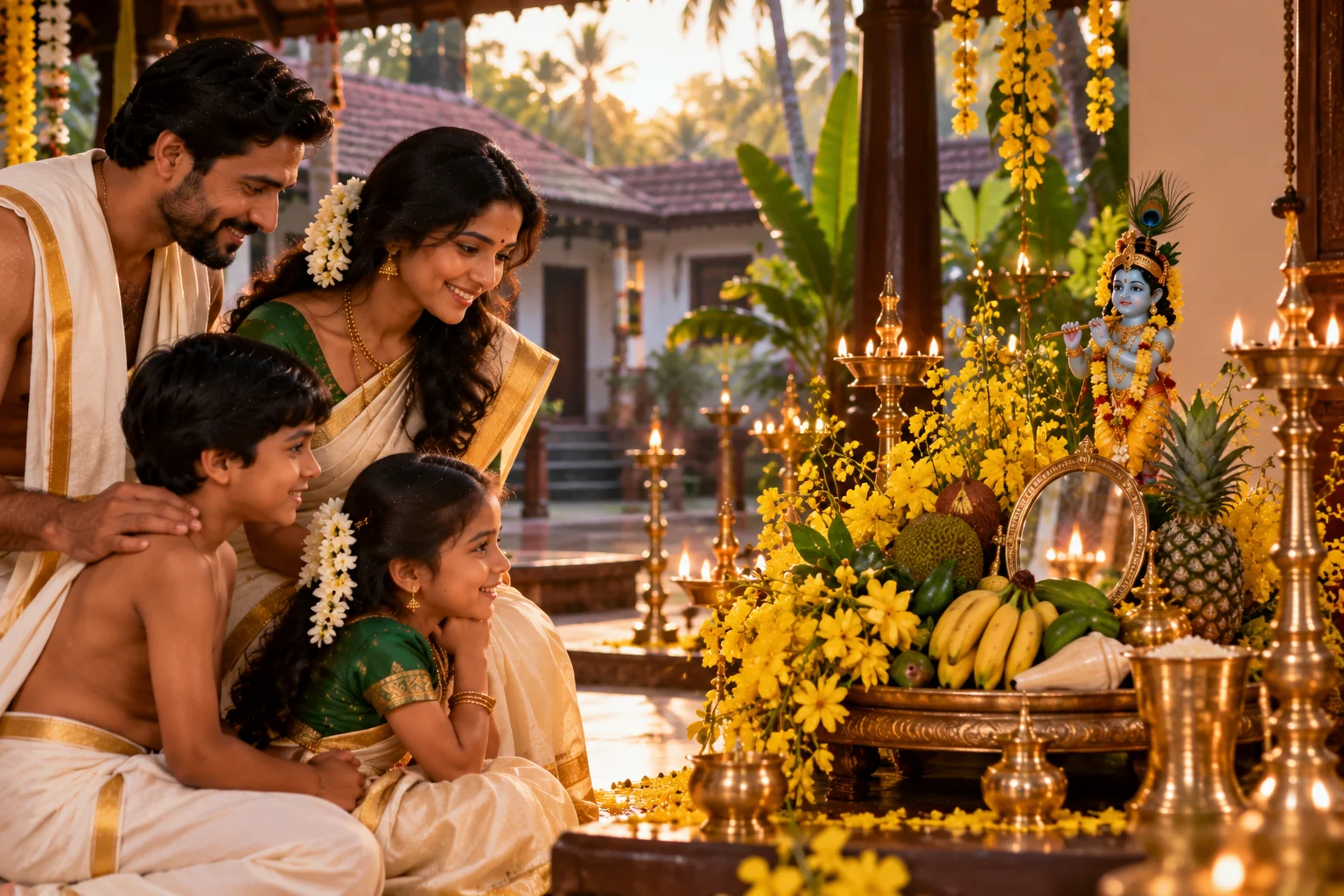
The Vishukkaṇi is that sight: in the pūjā room a bell-metal vessel (uruli) is filled with rice, a golden cucumber, a jackfruit, coconut halves, mangoes, the yellow koṇṇa flowers of the season (Cassia fistula) that bloom for the day, a mirror, gold, a folded cloth and a lit lamp, before an image of Kṛṣṇa. The eldest woman arranges it at night and leads each member of the family to it at dawn with their eyes closed.