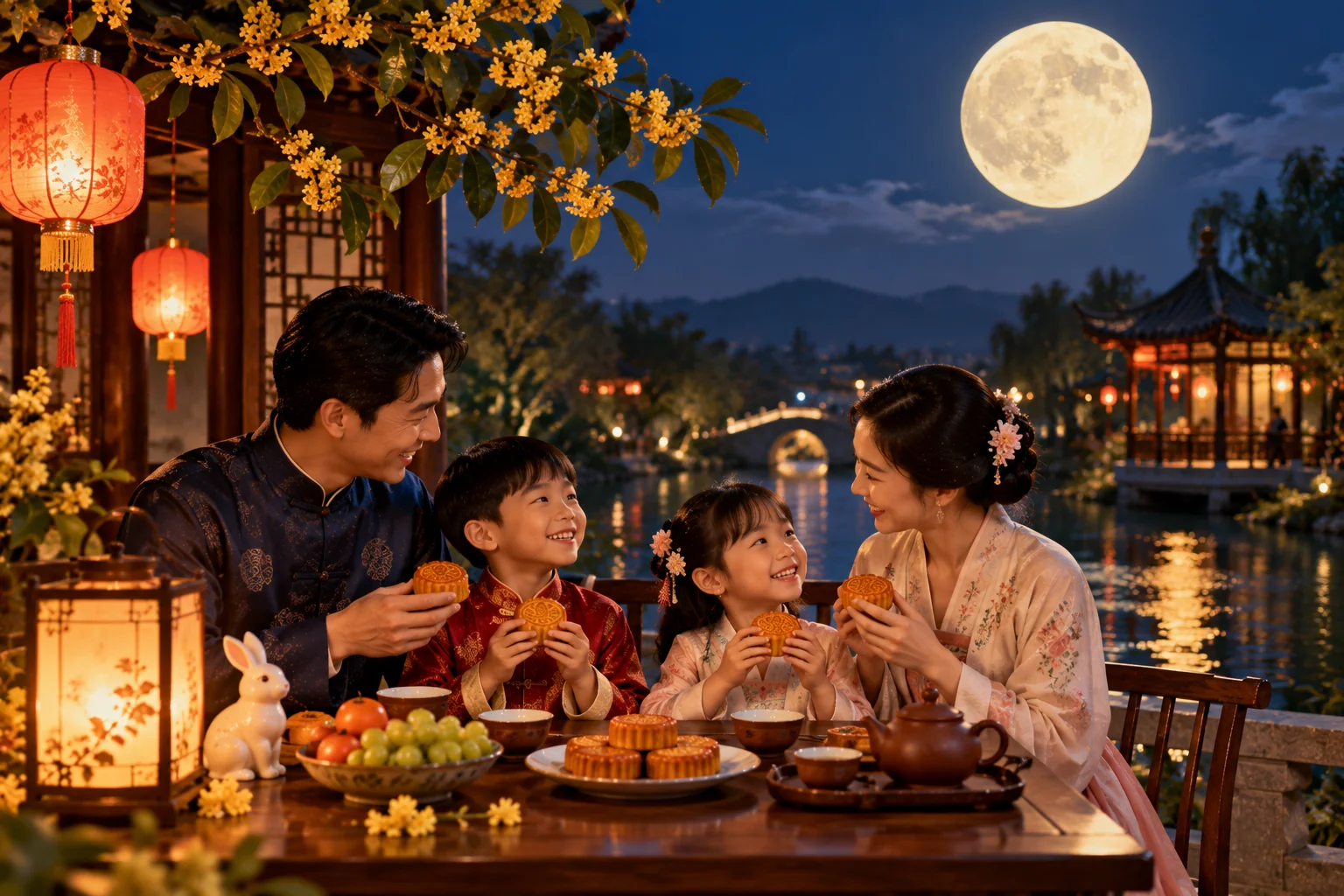
The harvest full moon of the eighth month, the year's roundest. Families eat mooncakes and look at it together; Chang'é is said to live there. Korea keeps the same day as Chuseok, for the ancestors and the new grain, and Japan as Jūgoya.
When it falls
The fifteenth day of the eighth lunar month, the harvest full moon, in September or early October. A public holiday in China, Taiwan, Korea and Vietnam.
The Phala almanac gives the exact day for your own city; the lunar and solar rules above are what it computes from.
How Vedic Phala finds the date
The Mid-Autumn Festival falls on the fifteenth day of the eighth month in the Chinese lunisolar calendar. Vedic Phala obtains it from the same Chinese-calendar layer used for Lunar New Year, not from the Indian lunar month table. The fifteenth lunar date is associated with the full moon, but month numbering also depends on the lunisolar system and any leap month. A Gregorian September or October date is the output, not the rule.
China’s Zhōngqiū Jié, Korea’s Chuseok and Japan’s Jūgoya meet around the harvest moon but do not have identical ritual programmes. Mooncakes and the story of Cháng’é lead in Chinese practice; Chuseok centres ancestor rites, new grain and travel to the family home; Jūgoya displays pampas grass and moon-viewing dumplings. The page keeps those distinctions instead of translating all three as one generic “moon festival.”
The apparent full moon can occur hours away from the civil festival date because the calendar day is ordinal, not a demand that the instant of opposition occur during the evening gathering. Local weather and moonrise affect viewing, not the month-and-day calculation.
The story
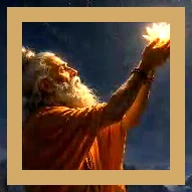
Hòu Yì shot down nine of the ten suns that were burning the earth and was given the elixir of immortality for it. His wife Cháng'é drank it — to keep it from a thief, in the kind telling — and rose to the moon, where she has been since with a jade rabbit that pounds medicine.
He set out her favourite food every year on this night and looked up, and that is the festival: not a story about the moon so much as one about looking at it from a distance and knowing someone else is.
The moon on this night is reckoned the roundest of the year, and round is the same word as reunion, which is the whole festival in one pun.