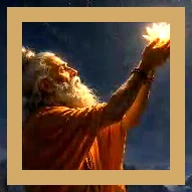
The story
The full moon has been the month's marker for as long as the calendar has existed: the pūrṇimānta reckoning of northern India names each month after the star the moon is full in, so the day the month is named for is this one.
The Satyanārāyaṇa Vrata Kathā, read in many homes on the evening, tells of a poor brahmin, a woodcutter, a merchant and a king — four people of four stations who kept the vow and were answered, and who forgot it and were not. The story is told for its plainness: the vow is available to anyone.
The moon governs the mind in this tradition, and the full moon is held to be when it is most full and least still. A fast on it is a settling.