The story
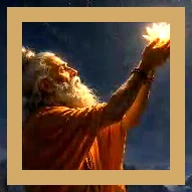
The day belongs to the ancestors. The waning moon is read as the path the departed take, and the new moon is when they are held to be nearest; the offering of water (tarpaṇa) is made to three generations by name, with the sacred thread worn over the right shoulder rather than the left.
It is not a day of mourning. The obligation runs the other way: the living owe the dead their name spoken and water poured, and the day exists so that the owing is met rather than felt.
Because the moon is absent, it is also held to be a poor day to begin anything outward — which is the other half of what the almanac is asked about it. The two readings sit together: turn inward, and settle what is behind you.